
Which Supplements Help Fatty Liver?
Feb 19, 2026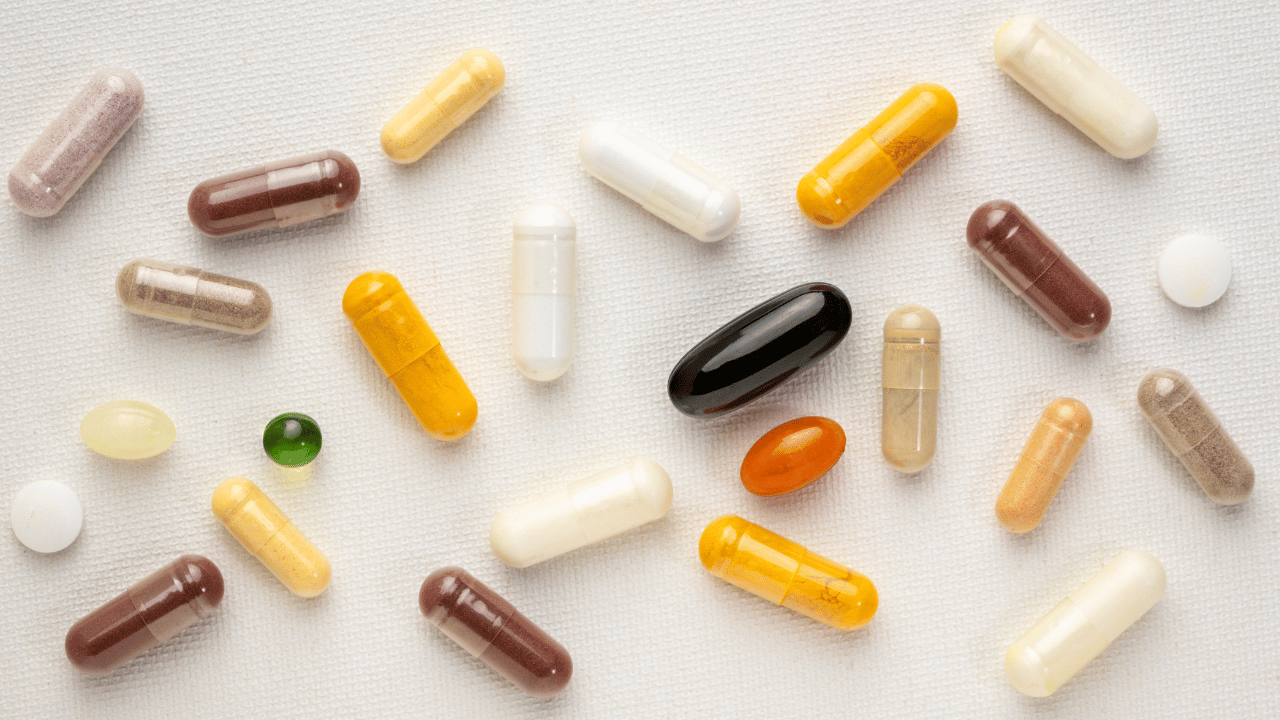
Probiotics, vitamin E, and omega-3 fatty acids are supplements that all have evidence accumulating in their favor when it comes to helping with fatty liver disease.
What is Fatty Liver?
Fatty liver is a colloquial term for what used to be called nonalcoholic fatty liver disease (NAFLD). More recently the name has been changed to metabolic dysfunction-associated steatotic liver disease (MASLD) – quite the mouthful. MASLD occurs when excess fat accumulates in the liver. This buildup is often driven by factors such as obesity, insulin resistance, high calorie intake, high saturated fat intake, high sugar intake, and a sedentary lifestyle. Over time, fat-laden liver cells can trigger inflammation and scarring, increasing the risk for more serious liver conditions.
Nutrition Strategies for Fatty Liver
Dietary modifications remain the cornerstone of managing fatty liver. For detailed nutrition strategies, see my blog post from last November, “Nutrition for Fatty Liver (NAFLD & MASLD).” In short, reducing body weight, reducing saturated fats, and reducing added sugar while emphasizing whole grains, lean proteins, and unsaturated fats, have shown clear benefit (Chalasani et al., 2018).
Supplements Showing Promise
While no supplement can replace diet and lifestyle changes, a few have shown potential in research:
- Probiotics: Certain strains of Lactobacillus and Bifidobacterium may help by improving gut barrier function and reducing liver inflammation. Dr. Rohit Loomba, a leading NAFLD researcher, notes, “Probiotics show promise in modulating gut-liver axis and reducing hepatic fat content” (Loomba & Sanyal, 2013). That being said, probiotics are strain specific, so not all strains in the Lactobacillus and Bifidobacterium genus will have a positive impact.
- Vitamin E: An antioxidant that can reduce liver inflammation and fat accumulation. The trouble is however, high-dose vitamin E can affect blood-clotting and can lower blood pressure. This means supplementing vitamin E is likely not suitable for everyone, especially those with heart disease (Sanyal et al., 2010).
- Omega-3 Fatty Acids: Omega-3 FAs may help with MASLD through a variety of mechanisms, mostly surrounding fat metabolism, and reducing inflammation. Supplementing Omega-3 FAs has been shown to decrease liver fat content and improve lipid profiles (Jump et al., 2015). As with all supplements, there are factors that should be considered before taking Omega-3 FAs – such as medication interactions, and the currently highly-contentious assertion that Omega-3 FAs may increase the risk of atrial fibrillation.
Each supplement requires individualized consideration. Potential risks, medication interactions, side-effects, and underlying health conditions must be reviewed with your clinical team before deciding if taking a supplement is right for you.
The Bottom Line
While the allure of a “quick fix” is strong, supplements generally have modest effects compared to comprehensive diet and lifestyle interventions. As Dr. Loomba emphasizes, “Lifestyle modification remains the foundation of NAFLD management.”
Before starting any supplement, consult your clinical team. For more on supplement safety and third-party testing, see my post, “Supplements & Third-Party Testing.”
All the best,
Kevin Rogers, RDN, LD
Founder | Redesign Nutrition
References
Chalasani, N., Younossi, Z., Lavine, J. E., Diehl, A. M., Brunt, E. M., Cusi, K., … & Sanyal, A. J. (2018). The diagnosis and management of nonalcoholic fatty liver disease: Practice guidance from the American Association for the Study of Liver Diseases. Hepatology, 67(1), 328-357. https://doi.org/10.1002/hep.29367
Jump, D. B., Depner, C. M., & Tripathy, S. (2015). Omega-3 fatty acid supplementation and nonalcoholic fatty liver disease. Journal of Clinical Gastroenterology, 49(Suppl 1), S34–S38. https://doi.org/10.1097/MCG.0000000000000412
Loomba, R., & Sanyal, A. J. (2013). The global NAFLD epidemic. Nature Reviews Gastroenterology & Hepatology, 10(11), 686–690. https://doi.org/10.1038/nrgastro.2013.171
Sanyal, A. J., Chalasani, N., Kowdley, K. V., McCullough, A., Diehl, A. M., Bass, N. M., … & Neuschwander-Tetri, B. A. (2010). Pioglitazone, vitamin E, or placebo for nonalcoholic steatohepatitis. New England Journal of Medicine, 362(18), 1675–1685. https://doi.org/10.1056/NEJMoa0907929