
Nutrition for Fatty Liver (NAFLD & MASLD)
Nov 06, 2025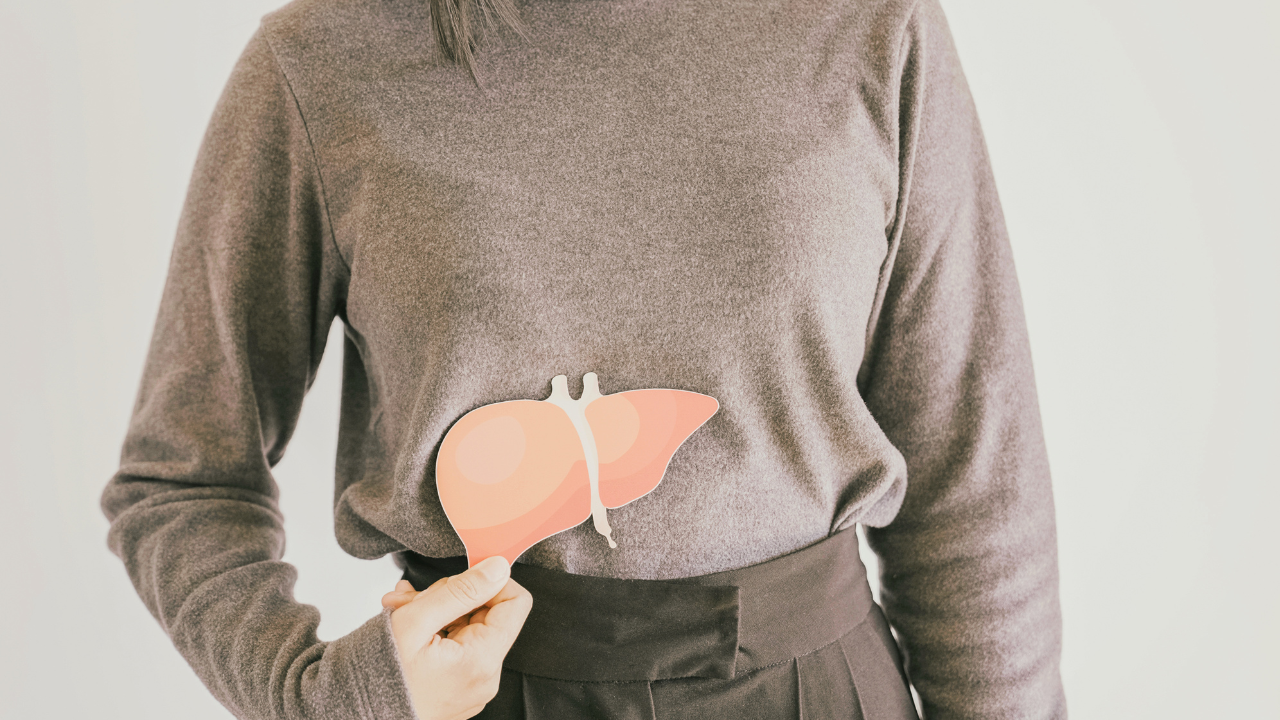
If you have been diagnosed with what was formerly called non-alcoholic fatty liver disease (NAFLD), you may have noticed the terminology has changed. The condition is now referred to as metabolic dysfunction-associated steatotic liver disease, or MASLD. This updated name better reflects the metabolic factors that drive the condition, that being said - nutrition and lifestyle therapy are still among the most powerful tools you have to reverse liver fat accumulation and improve your metabolic health.
Understanding MASLD
MASLD occurs when excess fat accumulates in the liver in people who drink little to no alcohol. This fat buildup is closely linked to insulin resistance, obesity, type 2 diabetes, and dyslipidemia. Left unmanaged, MASLD can progress to more serious liver conditions, including inflammation, fibrosis, and cirrhosis.
The shift in terminology from NAFLD to MASLD emphasizes the metabolic dysfunction at the root of the disease.
The Role of Nutrition in MASLD Management
Research consistently shows that dietary changes can significantly reduce liver fat, improve liver enzyme levels, and enhance overall metabolic function. Unlike many chronic conditions, MASLD responds remarkably well to nutrition therapy, often showing measurable improvements within weeks to months.
The foundation of effective nutrition therapy for MASLD involves addressing the underlying metabolic dysfunction through strategic dietary modifications and lifestyle practices.
Four Evidence-Based Strategies for Managing MASLD
1. Achieve Modest Weight Loss
Weight loss is the most well-established intervention for reducing liver fat. Studies demonstrate that losing just 5% of body weight can reduce liver fat content, while 7-10% weight loss can improve inflammation and fibrosis (1,2).
The key is sustainable weight loss (as you may often read if you’ve followed this blog for any amount of time). Crash diets and extreme calorie restriction are not the answer. Instead, the focus should be on creating a moderate calorie deficit through individualized lifestyle changes that you can maintain long-term. This approach addresses the metabolic dysfunction at the core of MASLD while supporting overall health.
2. Reduce Saturated Fat Intake
Saturated fat intake is directly associated with increased liver fat accumulation and worsened insulin resistance. Reducing saturated fat in your diet can improve liver health independent of weight loss, making this a critical component of MASLD management (3). Conversely, a diet high in saturated fat appears to increase the risk of liver fat deposition even when in caloric maintenance (8).
Saturated fats are found primarily in animal products such as fatty cuts of red meat, full-fat dairy products, butter, dark chocolate (ouch), and processed meats. They are also present in tropical oils like coconut and palm oil, as well as many processed and fried foods.
To reduce saturated fat intake, choose lean proteins such as poultry, fish, and plant-based options like legumes and tofu. When you do consume red meat, select leaner cuts and limit portion sizes. Replace butter with olive oil or avocado oil for cooking and dressings. Choose low-fat or fat-free dairy products, or explore unsweetened plant-based alternatives.
This does not mean eliminating all fats from your diet. Healthy unsaturated fats from sources like olive oil, avocados, nuts, seeds, and fatty fish support metabolic health and should be included regularly. The goal is to shift the balance away from saturated fats toward these healthier options.
3. Increase Fiber Intake
Fiber is a powerful ally in managing MASLD. Higher fiber intake improves insulin sensitivity, supports healthy gut bacteria, helps regulate blood sugar levels, and promotes satiety. Research shows that increased dietary fiber is associated with reduced liver fat and improved metabolic markers (4,5).
Most people consume far less fiber than recommended. Aim for at least 25-38 grams of fiber daily from whole food sources, or about 14g per 1,000 calories consumer per day. This includes vegetables, fruits, whole grains, legumes, nuts, and seeds.
Increasing fiber intake does not require drastic changes. Start by adding an extra serving of vegetables to your meals. Choose whole grain bread, pasta, and rice instead of refined versions. Snack on fresh fruit, raw vegetables, or a handful of nuts instead of processed snacks. Add beans or lentils to soups, salads, and casseroles. Choose oatmeal or a high-fiber cereal for breakfast.
As you increase fiber, do so gradually and drink plenty of water. A sudden, large increase in fiber can cause digestive discomfort. Give your body time to adjust, and the benefits will follow.
4. Manage Sleep and Stress
While not strictly a nutrition strategy, sleep and stress management are essential components of metabolic health and directly impact liver function. Poor sleep and chronic stress worsen insulin resistance, increase inflammation, and promote fat accumulation in the liver (6,7).
Sleep deprivation disrupts hormones that regulate hunger and satiety, often leading to increased calorie intake and cravings for high-sugar, high-fat foods. Chronic stress triggers the release of cortisol, which promotes fat storage, particularly in the abdominal area and liver. Both poor sleep and high stress also make it more difficult to adhere to healthy eating patterns.
Prioritize 7-9 hours of quality sleep each night. Establish a consistent sleep schedule, create a relaxing bedtime routine, and minimize screen time before bed. If you struggle with sleep, consider speaking with a healthcare provider to identify and address underlying issues.
For stress management, identify strategies that work for you. This might include regular physical activity, meditation, deep breathing exercises, spending time in nature, or engaging in hobbies you enjoy. Even brief moments of intentional relaxation throughout the day can make a meaningful difference.
Recognize that sleep and stress are interconnected with your eating habits. When you are well-rested and managing stress effectively, you are better equipped to make thoughtful food choices, prepare healthy meals, and stick with your nutrition goals.
Putting It All Together
Managing MASLD through nutrition and lifestyle does not require perfection. It requires consistency, patience, and a willingness to make gradual changes that fit your life. The goal is not to follow a restrictive regimen temporarily but to build sustainable habits that support your liver health and overall well-being for the long term.
Start with one or two changes that feel manageable. Perhaps you begin by swapping butter for olive oil or adding an extra serving of vegetables to your dinner. As these habits become routine, layer in additional strategies. Celebrate small victories along the way, and remember that progress is not always linear.
Working with a registered dietitian nutritionist who specializes in metabolic and liver health can provide personalized guidance tailored to your unique needs, preferences, and health status. A dietitian can help you navigate the complexities of nutrition therapy, address barriers to change, and monitor your progress.
All the best,
Kevin Rogers, RDN, LD
Founder | Redesign Nutrition
References
- Vilar-Gomez E, Martinez-Perez Y, Calzadilla-Bertot L, et al. Weight Loss Through Lifestyle Modification Significantly Reduces Features of Nonalcoholic Steatohepatitis. Gastroenterology. 2015;149(2):367-378.
- Dalle Grave R, Calugi S, Gavasso I, et al. A randomized trial of energy-restricted high-protein versus high-carbohydrate, low-fat diet in morbid obesity. Obesity. 2013;21(9):1774-1781.
- Rosqvist F, Kullberg J, Ståhlman M, et al. Overeating Saturated Fat Promotes Fatty Liver and Ceramides Compared With Polyunsaturated Fat: A Randomized Trial. J Clin Endocrinol Metab. 2019;104(12):6207-6219.
- Zhu Y, Yang H, Zhang Y, et al. Dietary fiber intake and non-alcoholic fatty liver disease: The mediating role of obesity. Front Public Health. 2022;10:1038435.
- Zhao H, Yang A, Mao L, et al. Association Between Dietary Fiber Intake and Non-Alcoholic Fatty Liver Disease in Adults. Front Nutr. 2020;7:593735.
- Kim CW, Yun KE, Jung HS, et al. Sleep duration and quality in relation to non-alcoholic fatty liver disease in middle-aged workers and their spouses. J Hepatol. 2013;59(2):351-357.
- Jin X, Qin L, Zhu W, et al. Exploring the impact of sleep duration and sleep disorders on metabolic dysfunction-associated steatotic liver disease in older adults. BMC Geriatr. 2024;24(1):589.
- Parry SA, Rosqvist F, Mozes FE, Cornfield T, Hutchinson M, Piche ME, Hülsmeier AJ, Hornemann T, Dyson P, Hodson L. Intrahepatic Fat and Postprandial Glycemia Increase After Consumption of a Diet Enriched in Saturated Fat Compared With Free Sugars. Diabetes Care. 2020 May;43(5):1134-1141. https://doi.org/10.2337/dc19-2331