
Psyllium Husk for Fat Loss
Nov 27, 2025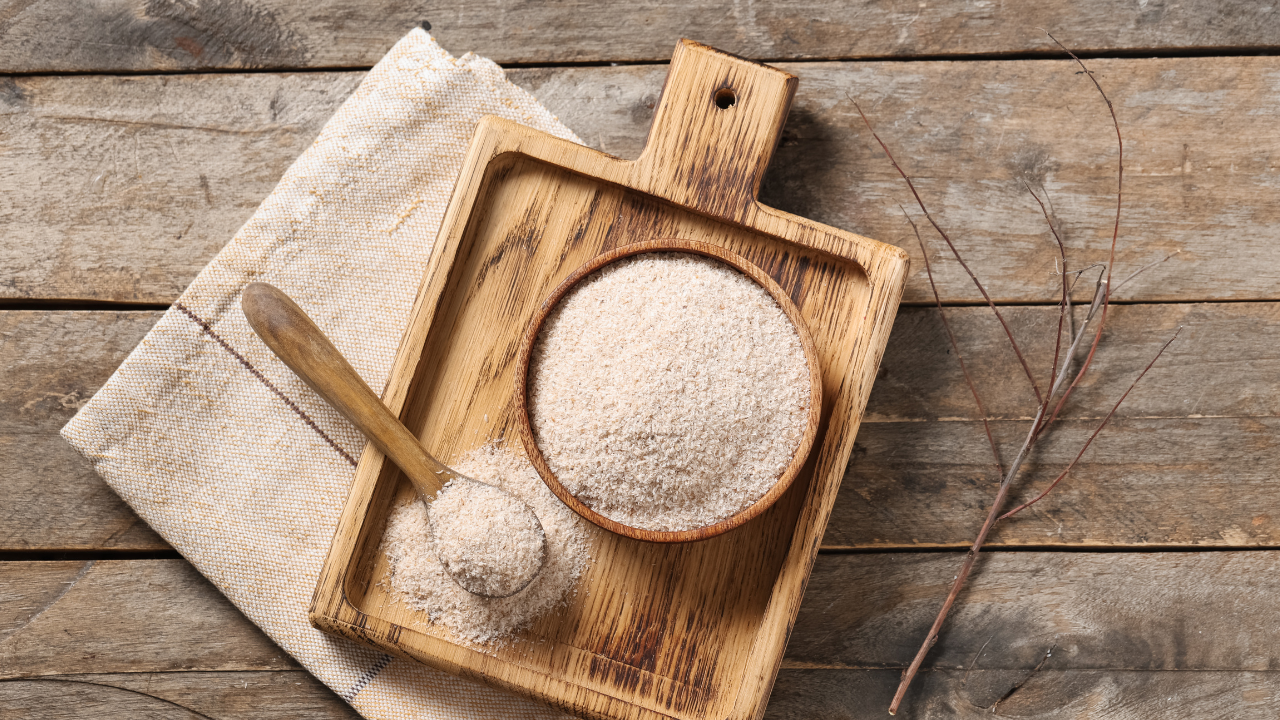
When it comes to weight loss supplements, the market is flooded with bold claims. But among the noise, psyllium husk stands out as one of the few supplements that may aid in fat loss efforts, and also improve metabolic health. Let’s dive into what the research actually shows about this viscous fiber supplement, including real effect sizes, optimal dosing, and practical considerations.
Understanding Fiber
Before we explore psyllium specifically, it is worth understanding why fiber matters in the first place. Dietary fiber plays multiple critical roles in human health that extend beyond digestive regularity. Adequate fiber intake is associated with improved glycemic control, enhanced satiety signaling, favorable alterations in gut microbiota composition, reduced systemic inflammation, and improved cardiovascular health markers.
The problem is that most people fall dramatically short of recommended fiber intakes. The average American consumes only 15-16 grams of fiber daily, while recommendations suggest 25-38 grams depending on age and sex. This gap creates an opportunity for strategic supplementation, particularly with viscous fibers like psyllium husk that have unique metabolic benefits.
What is Psyllium Husk?
Psyllium husk is derived from the seeds of Plantago ovata and is classified as a viscous, gel-forming soluble fiber. When mixed with water, psyllium forms a thick gel that slows gastric emptying, increases feelings of fullness, and modulates nutrient absorption. These properties make it particularly useful for weight management and metabolic health.
Unlike many weight loss supplements, psyllium works through well-established physiological pathways that have been validated in numerous clinical trials.
The Evidence for Fat Loss: Real Effect Sizes
A 2020 systematic review and meta-analysis published in the Journal of the American College of Nutrition examined the effects of psyllium supplementation on body weight and body mass index. The analysis included 28 randomized controlled trials and found that psyllium supplementation resulted in significant reductions in body weight (mean difference: -0.60 kg) and BMI (mean difference: -0.28 kg/m²) compared to control groups.
While these numbers may seem modest, context matters. A 2018 meta-analysis in Appetite specifically examined viscous fiber supplementation (including psyllium) and found more pronounced effects when combined with energy restriction. The study reported that viscous fiber supplementation enhanced weight loss by approximately 0.5-1.0 kg beyond what was achieved through caloric restriction alone over 12-week intervention periods.
Another systematic review published in Nutrition Reviews in 2019 evaluated the satiety effects of different fiber types. Psyllium consistently demonstrated superior effects on post-meal fullness and reduced subsequent energy intake compared to non-viscous fibers. Participants consuming psyllium before meals reported 10-15% reductions in caloric intake at subsequent meals.
A 2021 randomized controlled trial in Nutrients examined psyllium’s effects in overweight and obese adults over 12 weeks. Participants consuming 6.8 grams of psyllium daily (split into doses before meals) experienced significantly greater reductions in body weight (-2.1 kg vs. -0.4 kg), waist circumference (-2.8 cm vs. -0.6 cm), and body fat percentage (-1.4% vs. -0.3%) compared to placebo.
Most recently, a 2022 meta-analysis in Clinical Nutrition confirmed these findings across 35 trials, demonstrating that soluble fiber supplementation, particularly with viscous fibers like psyllium, produces consistent but modest improvements in body composition when combined with lifestyle interventions.
Energy Balance Still Matters
Here is the essential truth that often gets lost in supplement marketing: psyllium husk will not cause fat loss without achieving a negative energy balance. No supplement can override the fundamental principle of energy balance. You cannot supplement your way out of a caloric surplus.
What psyllium can do is facilitate the creation and maintenance of a negative energy balance by improving satiety when taken before meals. By increasing feelings of fullness and reducing hunger, psyllium makes it easier to control calorie intake and adhere to an energy-restricted diet. This is where its real value lies—not as a magic solution, but as a practical tool that makes sustainable calorie control more achievable.
Beyond Weight Loss: LDL Cholesterol
One of psyllium’s most well-established benefits extends beyond body composition. Multiple meta-analyses have demonstrated that psyllium supplementation significantly reduces LDL cholesterol levels.
A landmark 2018 meta-analysis published in the American Journal of Clinical Nutrition analyzed 28 randomized controlled trials and found that psyllium supplementation reduced LDL cholesterol by an average of 0.28 mmol/L (approximately 11 mg/dL). The effect was dose-dependent, with greater reductions observed at higher intakes.
The mechanism involves psyllium’s ability to bind bile acids in the intestine, promoting their excretion and forcing the liver to synthesize new bile acids from cholesterol. This process effectively lowers circulating LDL cholesterol levels. For individuals with elevated LDL or cardiovascular risk factors, this dual benefit of weight management support and cholesterol reduction makes psyllium particularly valuable.
Dosing Recommendations
For fat loss and appetite control, research supports 2-5 grams of psyllium husk taken before each meal (typically three times daily). This aligns with the dosing used in most successful clinical trials. Taking psyllium 20-30 minutes before meals with adequate water maximizes its satiety effects.
For LDL cholesterol reduction, the evidence supports 7-10 grams daily, typically split into 2-3 doses.
It is worth noting that these ranges can overlap. Someone taking 3-4 grams before three meals daily would consume 9-12 grams total, potentially achieving benefits for both weight management and cholesterol reduction.
Important Considerations and Concerns
While psyllium is generally safe and well-tolerated, there are several important considerations:
Gradual Introduction: When increasing fiber intake, do so gradually over 1-2 weeks. Sudden increases can cause gas, bloating, and abdominal discomfort as your gut microbiota adapts.
Adequate Hydration: Psyllium absorbs significant amounts of water. Always take it with at least 8-12 ounces of fluid, and maintain good hydration throughout the day. Inadequate fluid intake can stop you up.
Medication Interactions: Psyllium can interfere with the absorption of certain medications, including some diabetes medications, heart medications, and thyroid hormones. Take psyllium at least 2 hours before or after medications, and discuss supplementation with your healthcare provider if you take prescription medications.
Gastrointestinal Conditions: Individuals with inflammatory bowel disease (IBD), irritable bowel syndrome (IBS), celiac disease, gastroparesis, or delayed intestinal motility should exercise caution and consult with a healthcare provider before supplementing with psyllium.
Quality Matters: Choose products that are third-party tested for purity and quality. Contamination with heavy metals or other substances has been documented in some fiber supplements (see my previous blog post on this).
Customizing Your Supplement Strategy with Redesign Nutrition
Psyllium husk represents just one component of a comprehensive nutrition strategy. At Redesign Nutrition, we understand that effective weight management requires a personalized approach that considers your unique health status, goals, lifestyle, and preferences.
Our main focus is on sustainable dietary patterns, behavioral strategies, and lifestyle modifications that create lasting results rather than temporary fixes.
If you are interested in learning more about how strategic supplementation can support your health and weight management goals, you can find our complete Supplement Protocol for Fat Loss available for download at redesignnutrition.com. This resource provides evidence-based guidance on multiple supplements, including detailed dosing recommendations and safety considerations.
Sincerely,
Kevin Rogers, RDN, LD
Founder | Redesign Nutrition
References
- Ames, N., Blewett, H., Storsley, J., Thandapilly, S. J., Zahradka, P., & Taylor, C. (2015). A double-blind randomised controlled trial testing the effect of a barley product containing varying amounts and types of fibre on the postprandial glucose response of healthy volunteers. British Journal of Nutrition, 113(9), 1373-1383. https://doi.org/10.1017/S0007114515000367
- Jovanovski, E., Yashpal, S., Komishon, A., Zurbau, A., Blanco Mejia, S., Ho, H. V. T., Li, D., Sievenpiper, J., Duvnjak, L., & Vuksan, V. (2018). Effect of psyllium (Plantago ovata) fiber on LDL cholesterol and alternative lipid targets, non-HDL cholesterol and apolipoprotein B: A systematic review and meta-analysis of randomized controlled trials. American Journal of Clinical Nutrition, 108(5), 922-932. https://doi.org/10.1093/ajcn/nqy115
- Keithley, J. K., Swanson, B., Mikolaitis, S. L., DeMeo, M., Zeller, J. M., Fogg, L., & Adamji, J. (2013). Safety and efficacy of glucomannan for weight loss in overweight and moderately obese adults. Journal of Obesity, 2013, Article 610908. https://doi.org/10.1155/2013/610908
- Rebello, C. J., O'Neil, C. E., & Greenway, F. L. (2016). Dietary fiber and satiety: The effects of oats on satiety. Nutrition Reviews, 74(2), 131-147. https://doi.org/10.1093/nutrit/nuv063
- Solah, V. A., Kerr, D. A., Hunt, W. J., Johnson, S. K., Boushey, C. J., Delp, E. J., Meng, X., Gahler, R. J., James, A. P., Mukhtar, A. S., Fenton, H. K., & Wood, S. (2017). Effect of fibre supplementation on body weight and composition, frequency of eating and dietary choice in overweight individuals. Nutrients, 9(2), Article 149. https://doi.org/10.3390/nu9020149
- Thompson, S. V., Hannon, B. A., An, R., & Holscher, H. D. (2017). Effects of isolated soluble fiber supplementation on body weight, glycemia, and insulinemia in adults with overweight and obesity: A systematic review and meta-analysis of randomized controlled trials. American Journal of Clinical Nutrition, 106(6), 1514-1528. https://doi.org/10.3945/ajcn.117.163246
- Wharton, S., Bonder, R., Jeffery, A., & Christensen, R. A. J. (2020). The safety and effectiveness of commonly-marketed natural supplements for weight loss in populations with obesity: A critical review of the literature from 2006 to 2016. Critical Reviews in Food Science and Nutrition, 60(10), 1614-1630. https://doi.org/10.1080/10408398.2019.1584873
- Ye, Z., Arumugam, V., Haugabrooks, E., Williamson, P., & Hendrich, S. (2015). Soluble dietary fiber (Fibersol-2) decreased hunger and increased satiety hormones in humans when ingested with a meal. Nutrition Research, 35(5), 393-400. https://doi.org/10.1016/j.nutres.2015.03.004