
How Much Protein Should I Eat During Weight Loss
Oct 23, 2025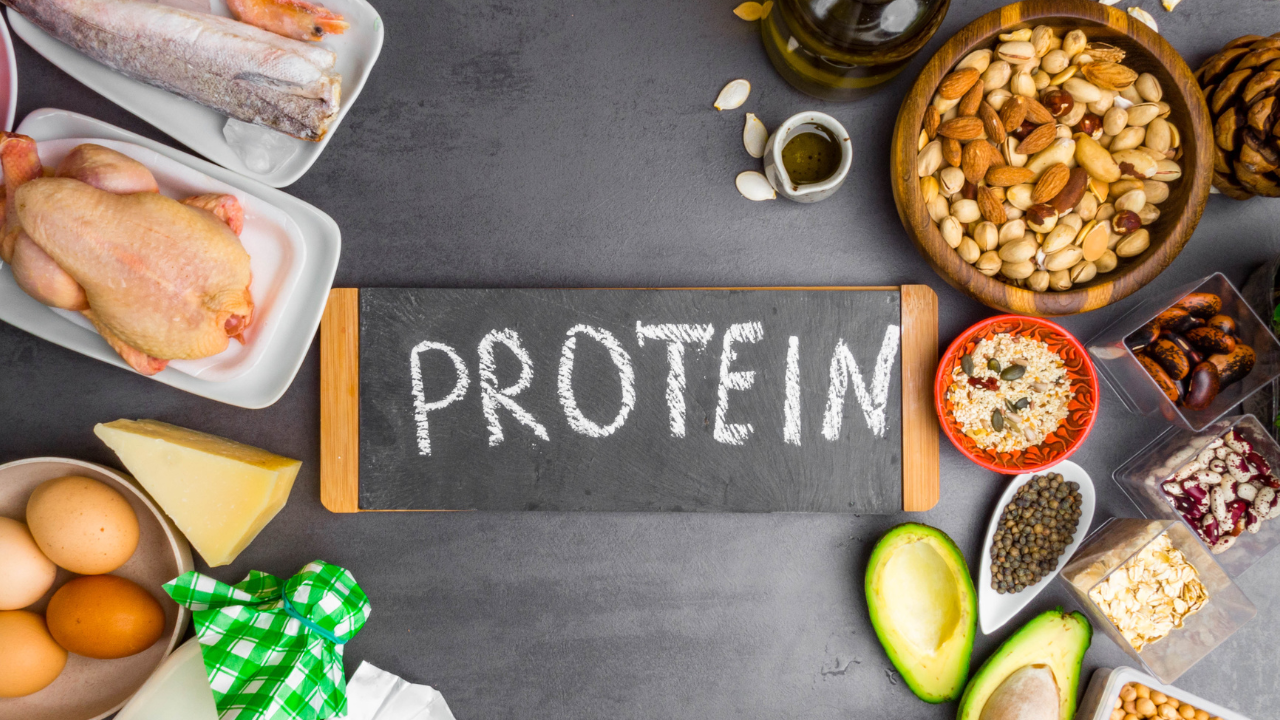
Protein often gets talked about as the “magic” nutrient for weight loss — and while it’s not magic, it does play a major role in how your body responds to a calorie deficit. Getting enough protein can help you preserve muscle, manage hunger, and make your diet easier to sustain. But how much is enough, and what actually matters most?
One of the biggest benefits of protein is how filling it is. Meals built around whole, unprocessed protein sources like chicken, fish, eggs, Greek yogurt, tofu, or legumes tend to keep you satisfied for longer. This can make it easier to manage overall calorie intake without feeling deprived, which is especially useful during weight loss.
Protein also has a higher thermic effect of feeding (TEF) compared to carbs and fats — meaning your body burns slightly more energy digesting and metabolizing it. This effect is modest, but it adds a small edge in your favor over time, especially when combined with regular activity and exercise.
Beyond fullness and metabolism, protein supports muscle repair and growth. When you’re in a calorie deficit, your body is more willing to lose lean tissue unless it gets enough protein and a resistance training stimulus. Keeping protein intake up helps maintain your muscle mass, which is key for long-term health, performance, and maintaining a healthy metabolism.
Protein also plays many other important roles — from hormone and enzyme production to supporting immune function and transporting nutrients throughout the body. It’s not just a “fitness” nutrient; it’s fundamental to how your body operates.
So how much should you aim for? A general range that we use for most people who are exercising and trying to lose weight is 1.6–2.2 grams of protein per kilogram of body weight per day. That means if you weigh 70 kg (about 155 pounds), that’s roughly 110–155 grams per day. However, body weight alone isn’t always the best guide — for example, those with higher body fat may not need quite that much, while leaner individuals might benefit from more. A body composition analysis can help fine-tune these numbers by accounting for your lean tissue, which is more metabolically active.
Finally, personal preference matters. Even though there’s an “optimal” range for preserving muscle during weight loss, that doesn’t mean you need to hit it perfectly to make progress. Undershooting your “optimal” protein target during weight loss does not mean muscle will be falling off the bone. The best protein target is one that you can meet consistently without getting sick of chicken breast, and without completely displacing other healthy foods in your diet.
At Redesign Nutrition, we take an individualized approach. Inside The Lifestyle Redesign – Sustainable Weight Loss Course we help you determine your ideal protein intake based on your goals, body composition, preference, and lifestyle — so your nutrition plan feels both effective and sustainable for the long term.
Sincerely,
Kevin Rogers, RDN, LD
Founder | Redesign Nutrition