
How to Meal Prep
Mar 05, 2026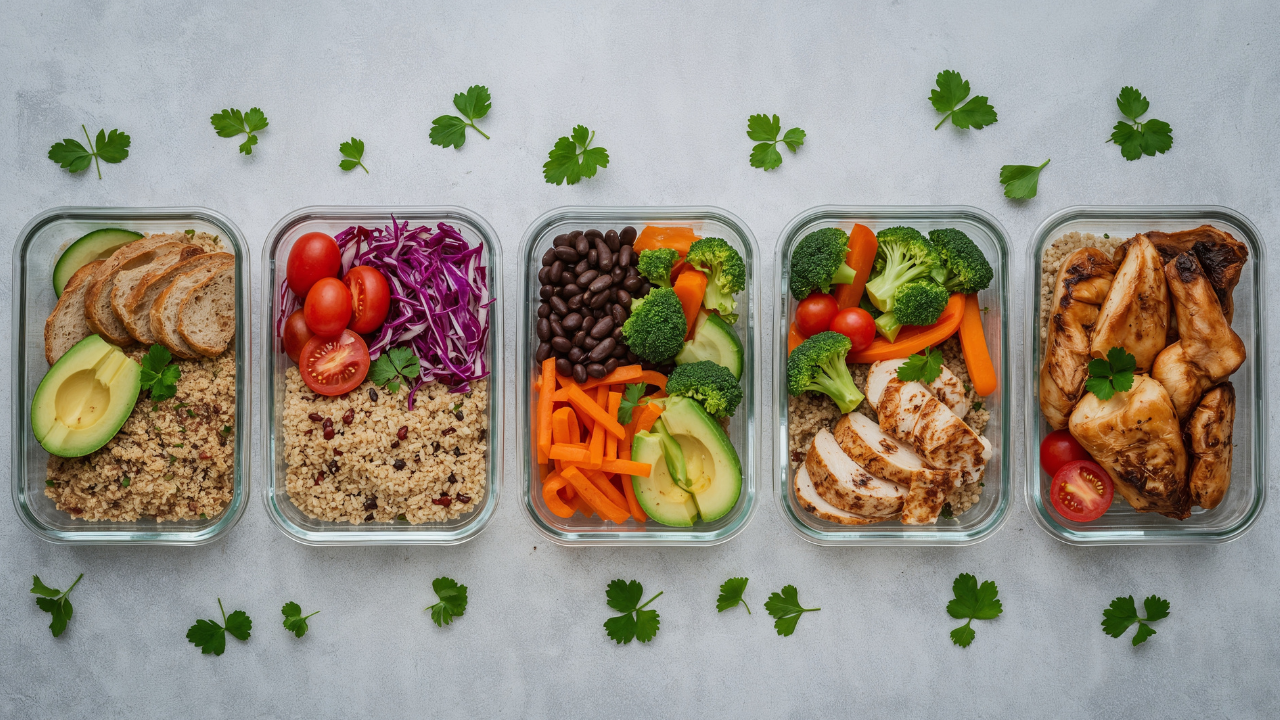
Meal prepping is a practical, time-efficient strategy for ensuring consistent access to nutritious meals throughout the week. While it is not the only method for supporting a healthy diet, meal prep remains one of the most widely recommended tools by nutrition professionals. As Dr. David Katz, founding director of Yale University’s Prevention Research Center, notes, “Preparation is the antidote to temptation. If you have healthy food ready, you are much less likely to make unhealthy choices.”
Step-by-Step Guide to Meal Prep
- Set Your Targets
Define your nutrition targets—calories, macronutrients, and meal pattern. Part of the benefit of meal prepping is that if you cook everything according to your targets, then you do not need to track your calories and macronutrients after you have eaten. The meals are all “pre-quantified.” And if you are keeping similar targets from meal to meal, you can take advantage of them all being interchangeable. For folks who are averse to tracking on an app or in a food diary, or for folks who do not like eating the same thing every day, these are huge pluses. - Plan Your Menu
Chart out how many meals you want for each day – are you prepping every meal for every day? Or do you make breakfast on the go and eat lunch at work? Select recipes that align with your targets and are realistic for your schedule (you might need to be able to transport and reheat certain meals). I generally recommend starting with fewer and simpler recipes to begin with, and adding complexity as you go. This avoids unnecessary hours in the kitchen, excessive shopping lists, and ingredients going to waste. - Grocery Shop with a List
Make a detailed shopping which ensures you have all necessary ingredients. Having a shopping list can also help you avoid impulse buying foods or ingredients you do not need. Go shopping, but do not go shopping while hungry – we have all made this mistake at one point or another… - Cook
Set time on your calendar to ensure you have adequate, uninterrupted time to cook. One of the downsides of meal prep is that if you miss your window of opportunity then you will be hard-pressed to find time to do it later. Which normally leads to eating out at restaurants throughout the week (see my upcoming blog about eating out at restaurants). - Store and Label
When finished cooking, divide the meals into containers and let cool before putting into the fridge or freezer. Label the meals so you know when they were cooked. This is especially helpful if you are doing large meal preps. - Freeze if Necessary
The freezer is an under-rated tool when it comes to meal prep. Often-times doing a large batch and freezing meals can allow you to decrease your frequency of meal prep. For those who are busy on the weekends or do not like cooking, this could mean you do one or two large meal preps per month, instead of a weekly or twice-weekly strategy. And as I discussed in my blog post on 12/25/25, freezing food is perfectly healthy, safe, and nutrient quality is maintained. That being said, you might start to lose a little flavor after a few months.
Is Meal Prep Right for Everyone?
Meal prepping is a powerful tool, but it is not the only way to eat healthfully. For some, methods like batch cooking, or using healthy convenience foods may be more sustainable. I find it is usually a balance between a variety of methods that works best. The key is finding what fits your lifestyle and preferences at any given time (it can be dynamic!).
All the best,
Kevin Rogers, RDN, LD
Founder | Redesign Nutrition