
Are Canned Foods Healthy?
Dec 18, 2025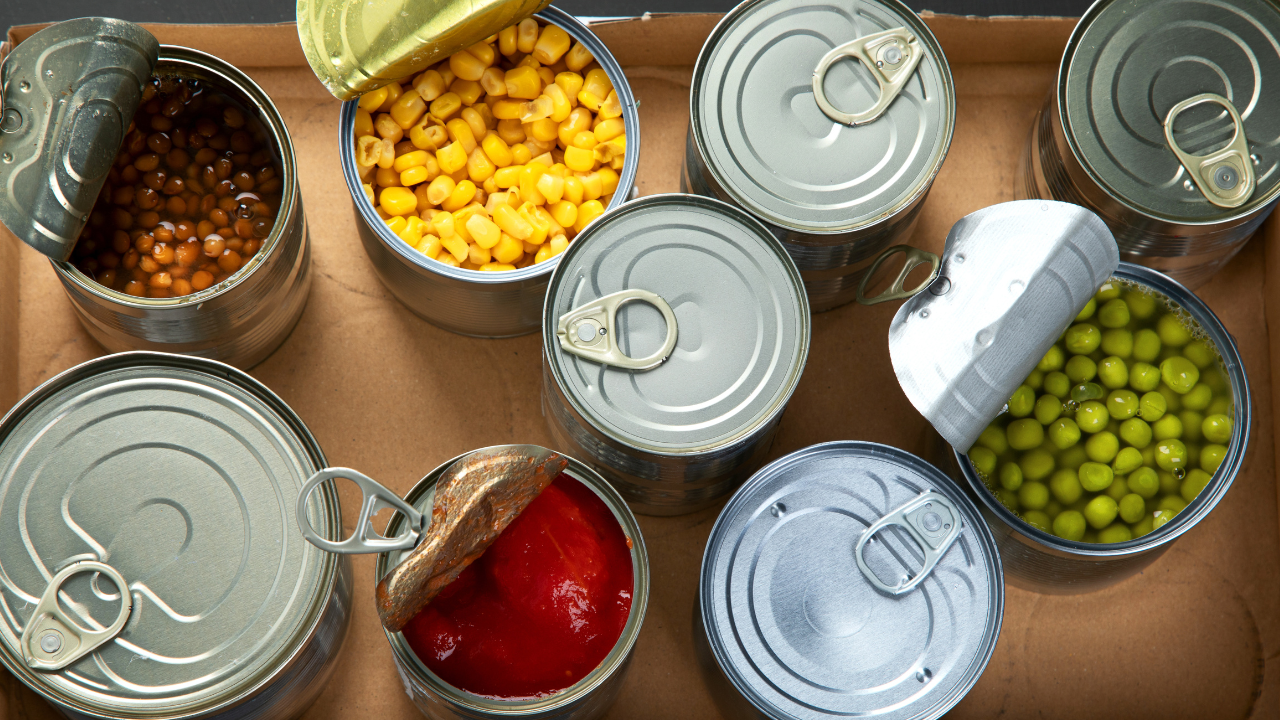
Canned foods often get a bad rap. You have probably heard that they are “processed,”(see my previous blog post on Ultra-Processed Foods) “full of preservatives,” or somehow less healthy than fresh options. The reality, however, is far more nuanced. Let us break down the facts about canned foods and how they can fit into a healthy eating pattern—sometimes even with surprising benefits.
Three Reasons to Give Canned Foods a Fair Chance
- Nutrient Quality Holds Up
When comparing canned foods to their fresh or frozen counterparts, the nutrient quality is often just as good. Many vitamins and minerals are retained during the canning process, and some nutrients (like lycopene in tomatoes) can even become more bioavailable after canning. Research shows that canned fruits and vegetables can contribute meaningfully to overall nutrient intake, especially when fresh produce is not available (Rickman et al., 2007). - Long Shelf Life = Reliable Backup
Canned foods have a long shelf life, making them an excellent backup when you run out of fresh foods. Having canned beans, vegetables, or fish on hand means you always have a healthy ingredient ready to go, even when your fridge is empty. This can help you avoid less nutritious takeout or heading to the drive-thru. - Quick and Convenient
Most canned foods are pre-cooked, which means much quicker meal prep and cooking time. Whether you are tossing canned beans into a salad or making a quick tuna salad, canned foods make it easier to get a nutritious meal on the table—fast.
What to Watch Out For
- Sodium and Preservatives
Many canned foods contain added salt or preservatives to maintain flavor and shelf life. High sodium intake is linked to increased blood pressure and cardiovascular risk (World Health Organization, 2012). Look for “low sodium” or “no salt added” options when possible. - Packed in Oil vs. Water
Canned foods like tuna or olives can come packed in oil or water. Oil-packed items are higher in calories and fat, which can add up quickly. For most, water-packed is the better choice for calorie control. - Additional Ingredients
Always be aware of what else might be included in the can. Some canned foods include additional ingredients such as added sugar or sauces. For example, baked beans can be high in added sugar, while canned vegetables or meats may be packed in sweet or savory sauces. These extras can increase the calorie, fat, sugar, or sodium content, so it is important to read ingredient labels and know what you are getting.
Bottom Line: Build a Healthy Pantry
Stocking up on a few types of canned foods you enjoy is a practical way to make your environment more conducive to healthy eating. Some of my favorites include: canned beans and legumes, canned tuna (look for low sodium, packed in water), and canned olives. Healthy sources of starch/fiber, protein, and fats (respectively).
Having these on hand helps ensure you always have the building blocks for a balanced meal, no matter how busy life gets.
Sincerely,
Kevin Rogers, RDN, LD
Founder | Redesign Nutrition
References
Rickman, J.C., Barrett, D.M., & Bruhn, C.M. (2007). Nutritional comparison of fresh, frozen and canned fruits and vegetables. Part 1. Vitamins C and B and phenolic compounds. Journal of the Science of Food and Agriculture, 87(6), 930-944. https://doi.org/10.1002/jsfa.2825
World Health Organization. (2012). Guideline: Sodium intake for adults and children. https://www.who.int/publications/i/item/9789241504836